
Living Archive: Bolivian Dance in the Diaspora
An ongoing cultural documentation project created through the American Bolivian Collective by Charlene Amini.
Bolivian dance is one of the most visible and enduring expressions of our culture. Across generations and across borders, it has helped preserve traditions, celebrate regional identities, and build community wherever Bolivians have settled around the world.
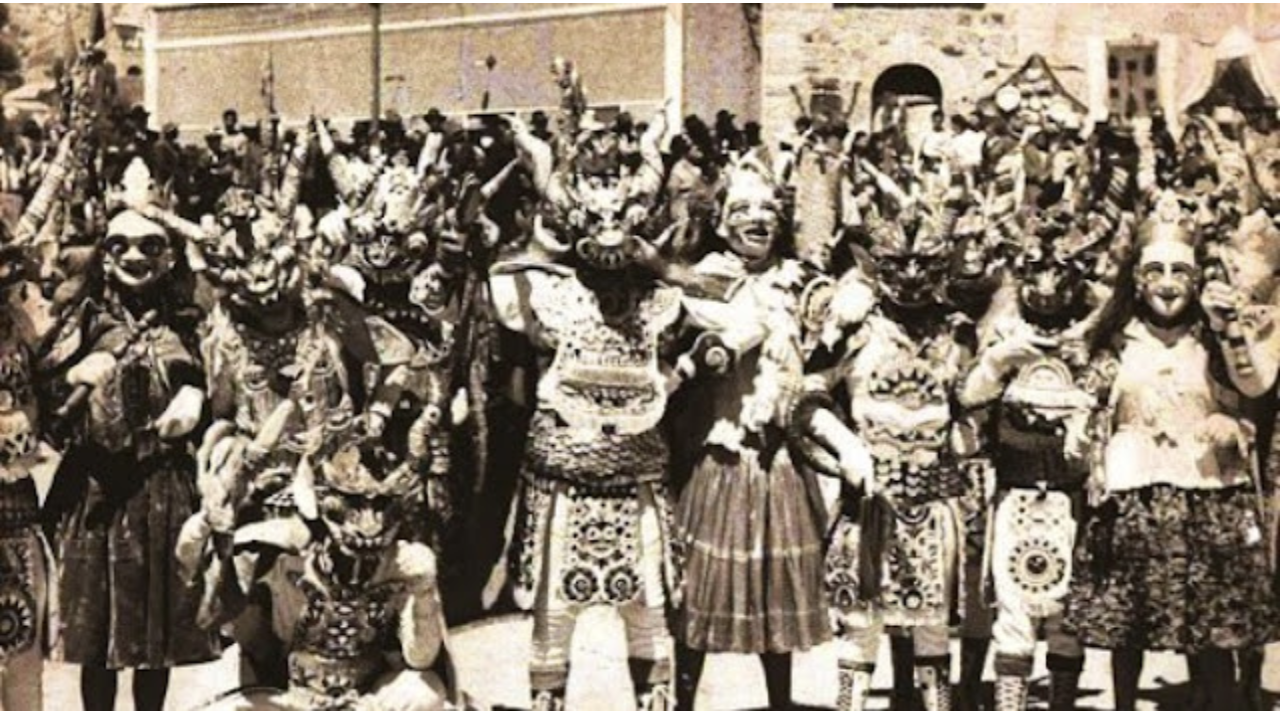
But Bolivian dance is far more than movement alone. Each dance carries its own history, symbolism, and cultural significance. They tell stories of faith, resistance, migration, labor, celebration, and identity. They are accompanied by distinct musical traditions, handcrafted intricate embroidery, masks, hats, polleras, trenzas with tullmas, and artistic practices that have been passed down through generations.
Bolivian dance represents an entire cultural ecosystem. Behind every performance are communities of dancers, musicians, families, and organizers working to preserve and share these traditions.
Despite the scale and significance of Bolivian folkloric culture, including traditions showcased during the Carnival of Oruro, one of the world's largest folkloric celebrations, many people outside Bolivia remain unfamiliar with these histories and artistic practices. For those of us in the diaspora, dance has become one of the ways we make ourselves visible. It is how we celebrate who we are, honor where we come from, and carry our culture forward.
Living Archive: Bolivian Dance in the Diaspora is an ongoing effort to document and map the communities keeping these traditions alive around the world.
— Charlene Amini
Founder, American Bolivian Collective
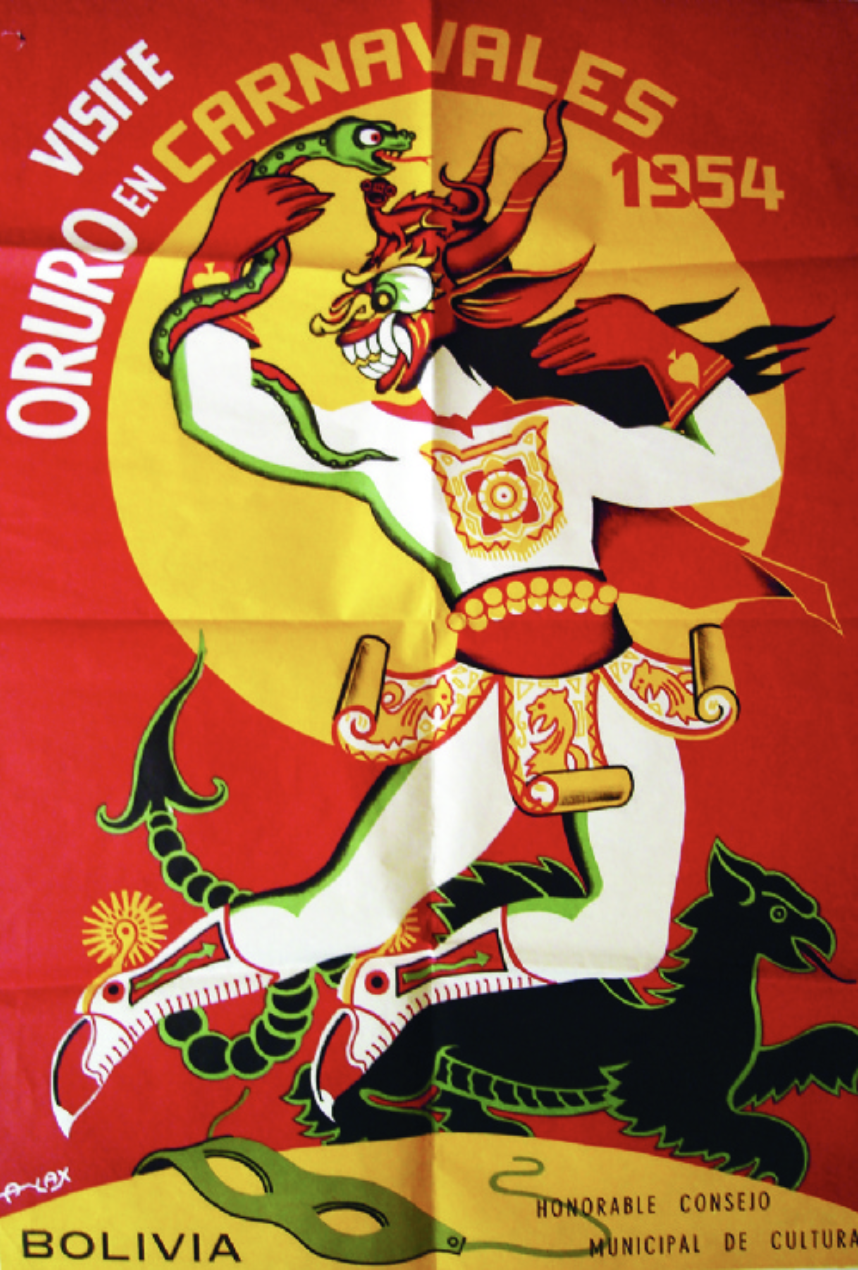
The first poster for the Oruro Carnival was designed by Félix Ayaviri Zabala in 1954.